Gaining Weight After 40? Menopause, Hormones & Metabolism Explained
Introduction
Many women say:
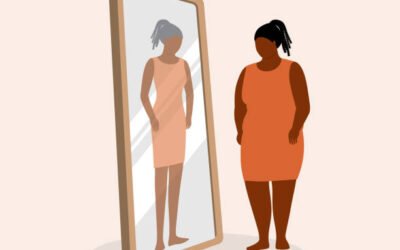
“I eat less than before, yet I’m gaining weight—especially on my belly.”
This usually begins in the perimenopause and menopause phase.
This is not lack of willpower—it’s hormonal metabolic change.
Why Menopause Triggers Weight Gain
1. Estrogen Decline
Lower estrogen shifts fat storage to the abdomen.
2. Reduced Muscle Mass
Muscle loss slows metabolism significantly.
3. Increased Insulin Resistance
Blood sugar spikes more easily after 40.
4. Poor Sleep & Stress
Cortisol directly promotes belly fat.
Common Mistakes Women Make
- Eating too little
- Skipping protein
- Excess cardio
- Fear of strength training
These actually worsen fat gain.
Nutrition Strategy for Menopause Fat Loss
1. Prioritise Protein
Protein preserves muscle and boosts metabolism.
2. Stabilise Blood Sugar
- Reduce refined carbs
- Add fibre and fats
3. Strength Training Nutrition
Fuel workouts with adequate protein and minerals.
Hormone-Supportive Foods
- Flaxseeds
- Soy (moderate amounts)
- Nuts & seeds
- Calcium & Vitamin D rich foods
Research Evidence
- Journal of Women’s Health: Menopause increases visceral fat independent of calorie intake.
- Endocrine Reviews: Resistance training and protein intake reduce menopause-related fat gain.
- Nutrition Reviews: Diet quality matters more than calorie restriction after menopause.
Final Takeaway
Menopause weight gain is correctable—with the right strategy.
Eat smarter, not less.