Normal Fasting Sugar but High Post‑Meal Sugar? The Hidden Sign of Insulin Resistance
Introduction
Many people feel relieved when their fasting blood sugar (FBS) comes back normal—only to be confused or worried when their post‑prandial (PP) sugar spikes after meals.
This pattern is extremely common in urban Indians and is often the earliest metabolic warning sign—long before diabetes is diagnosed.
Let’s break it down simply.
What Does Normal Fasting Sugar but High PP Sugar Mean?
- Fasting Sugar (70–99 mg/dL): Indicates liver glucose control overnight
- PP Sugar (>140 mg/dL at 2 hours): Shows how well your body handles glucose after eating
When fasting sugar is normal but PP is high, it usually points to early insulin resistance.
Your pancreas is producing insulin, but your muscles and liver are not responding efficiently.
Why This Happens (Even If You Eat “Healthy”)
1. Muscle Insulin Resistance
Inactive or low‑muscle mass reduces glucose uptake after meals.
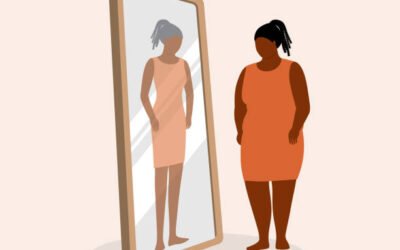
2. Excess Visceral (Belly) Fat
Even lean‑looking people may have high internal fat that blocks insulin signaling.
3. High‑Carb, Low‑Protein Indian Meals
Roti‑rice combinations without protein or fiber spike PP sugars.
4. Poor Sleep & Stress
Cortisol raises post‑meal glucose even if fasting sugar stays normal.
Common Symptoms People Ignore
- Sleepiness after meals
- Strong sugar cravings
- Belly fat despite normal weight
- Brain fog or fatigue
- PCOS, fatty liver, or thyroid imbalance
Why Doctors Often Miss This Stage
Most routine checkups focus on fasting sugar or HbA1c.
But PP sugar rises first, sometimes 5–10 years before diabetes.
Catching it early = full reversal possible.
Nutrition Strategy to Fix High PP Sugar
1. Plate Method (Indian Style)
- ½ plate vegetables (sabzi, salad)
- ¼ plate protein (dal, paneer, curd, eggs, fish, chicken)
- ¼ plate carbs (1 roti OR small rice portion)
2. Protein First Rule
Eating protein before carbs reduces glucose spikes by up to 30–40%.
3. Carb Quality Matters
Replace:
- White rice → parboiled/red rice
- Refined roti → jowar, bajra, ragi
4. 10‑Minute Walk After Meals
Proven to significantly reduce PP glucose levels.
Foods That Improve Insulin Sensitivity
- Fermented curd / buttermilk
- Nuts & seeds (especially almonds, flaxseed)
- Cinnamon, fenugreek seeds, turmeric
- Leafy greens & cruciferous vegetables
What NOT to Do
- Skipping meals
- Extreme low‑carb diets without supervision
- Relying only on medicines
- Ignoring strength training
When to Test Again
If PP sugar is high:
- Repeat after 6–8 weeks of nutrition correction
- Check fasting insulin or HOMA‑IR if advised
Research Evidence
- American Diabetes Association (2023): Post‑prandial hyperglycemia is an independent risk factor for Type 2 Diabetes and cardiovascular disease.
- Diabetes Care Journal: Elevated PP glucose precedes fasting hyperglycemia in the natural progression of diabetes.
- Journal of Clinical Endocrinology & Metabolism: Lifestyle and dietary intervention at insulin‑resistant stage can prevent or delay diabetes by over 58%.
Final Takeaway
Normal fasting sugar does NOT mean your metabolism is healthy.
High post‑meal sugar is a reversible red flag, not a failure.
Early nutrition correction can prevent:
- Diabetes
- PCOS worsening
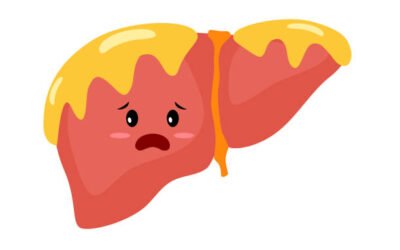
- Fatty liver
- Heart disease